Why Billiards Is the Most Fun You Can Have Standing Up (And the Best Gear to Level Up)
From cue sticks to chalk, from bank shots to break shots — here is why billiards is the most addictive game on the planet and exactly what gear you need to dominate the table.
Why Billiards Is the Most Fun You Can Have Standing Up (And the Best Gear to Get You Started)
Let's be real -- billiards is one of those rare activities where you can look ridiculously cool without actually being athletic. No running, no sweating, no gym membership required. Just you, a stick, some colorful balls, and a whole lot of trash talk. Whether you call it pool, billiards, or "that thing in the bar I'm weirdly good at after three beers," this game has been stealing hearts (and Friday nights) for centuries.

So... Why Is Billiards So Addictive?
It's a Brain Game Disguised as a Bar Game
Here's the thing most people don't realize -- billiards is basically geometry class, except actually fun. Every shot is an equation of angles, spin, speed, and positioning. You're not just sinking a ball, you're planning three shots ahead like some kind of pool table chess master.
The more you play, the more your brain starts seeing invisible lines across the felt. You'll catch yourself calculating bank shots at 2 AM and thinking, "If I put just a little left English on this..." -- and when it works? Pure dopamine. Better than any video game.
Anyone Can Play (Seriously, Anyone)
Unlike most sports where you need years of training just to not embarrass yourself, billiards has the most beautiful learning curve. Pick up a cue, aim at a ball, hit it. Congratulations, you're playing billiards. Sure, the skill ceiling is insanely high -- professional players make shots that look like actual sorcery -- but the entry barrier is basically zero.

Your lola could play. Your 8-year-old pamangkin could play. That friend who claims they're "not sporty" could play. That's the magic of it.
The Social Factor Is Unmatched
Billiards is the ultimate social game. There's built-in downtime between shots where you can chat, heckle your opponent, or debate whether that was really a scratch. It's not like basketball where you're too busy gasping for air to hold a conversation.
Every billiard hall has its own ecosystem -- the regulars who've been playing since before you were born, the hustle players who pretend to be bad (watch your wallet), and the newbies who somehow sink impossible shots through pure luck.
"Billiards is a game that's 90% mental and 10% mental." - Every pool player ever, probably

The Essential Gear: What You Actually Need
Okay, so you're hooked. You want to take this seriously. Let's talk equipment -- because yes, your gear actually matters in billiards, maybe more than any other casual sport.
The Cue Stick: Your Most Important Investment
A good cue stick is to a billiards player what a good knife is to a chef -- technically you can use any one, but the right one makes EVERYTHING better.
For beginners, you honestly don't need to spend crazy money. A solid two-piece maple cue in the P2,000 - P5,000 range will serve you well. Brands like Players, McDermott, and Lucasi make excellent entry-level cues that won't break the bank.
For intermediate players who play regularly, step up to a cue with a low-deflection shaft. This is a game-changer -- it reduces cue ball squirt when you apply English (side spin), making your shots way more accurate. Predator, Mezz, and OB Cues are the kings of low-deflection technology.
For the serious player, you're looking at carbon fiber shafts like the Predator REVO or Cuetec Cynergy. These bad boys give you insane consistency shot after shot. They don't warp, they don't absorb moisture, and they make you feel like you have cheat codes enabled. Budget? P15,000 to P50,000+, but worth every centavo if you play often.
Cue Tips: Small But Mighty
The tip of your cue is where all the magic happens -- it's the only part that actually touches the cue ball. Don't sleep on this.
- Soft tips (like Kamui or Tiger) give you more grip on the cue ball, meaning better spin and English. Great for advanced players who use a lot of technique.
- Medium tips are the sweet spot for most players. Good control, good feel, predictable behavior.
- Hard tips last longer but give you less spin control. Fine for breaking but not ideal for finesse shots.
Replace your tip when it gets flat, glazed, or starts miscuing. A worn-out tip is sabotaging every single shot you take.
Chalk: The Cheapest Upgrade That Actually Works
Speaking of miscues -- chalk your cue before every shot. Not sometimes. Not when you remember. Every. Single. Shot. It takes two seconds and prevents the tip from sliding off the cue ball.
Master chalk (the blue cubes you see everywhere) works fine for casual play. But if you want the best, go for Kamui chalk or Taom chalk -- they grip better, last longer, and leave less residue on the cue ball. Taom in particular is almost magical -- one application lasts multiple shots.
The Table: Know What You're Playing On
You probably won't be buying your own table anytime soon (unless you're balling out), but knowing table quality helps you play better anywhere you go.
- Bar tables are typically 7-foot "bar box" tables with slower cloth and tighter pockets. They reward precision.
- Standard tables are 8-foot, the most common size for home and rec rooms. A good all-around experience.
- Tournament tables are 9-foot with Simonis 860 or 860HR cloth, fast and unforgiving. If you can play well on these, you can play anywhere.
The cloth matters more than the table itself. Simonis is the gold standard -- it's fast, smooth, and consistent. Championship cloth is a solid budget alternative.
Pro Tips to Level Up Your Game Fast
Now that you've got the gear sorted, here are some tips that took most players years to figure out:
- Stance is everything. Plant your feet shoulder-width apart, bend at the waist, and keep your cue as level as possible. An unstable stance = inconsistent shots.
- Aim with your dominant eye. Close one eye, then the other, while looking at an object. The eye where the object doesn't "jump" is your dominant eye. Line your shots up with that eye directly over the cue.
- Stop trying to murder the cue ball. Seriously. 80% of shots in billiards should be hit with medium speed or less. Control beats power every single time. The soft shot that leaves you in perfect position is always better than the hard shot that scatters everything.
- Learn to play position, not just make balls. Pocketing a ball is only half the battle. Where the cue ball ends up after the shot determines whether you can keep running the table or if you're handing the game to your opponent.
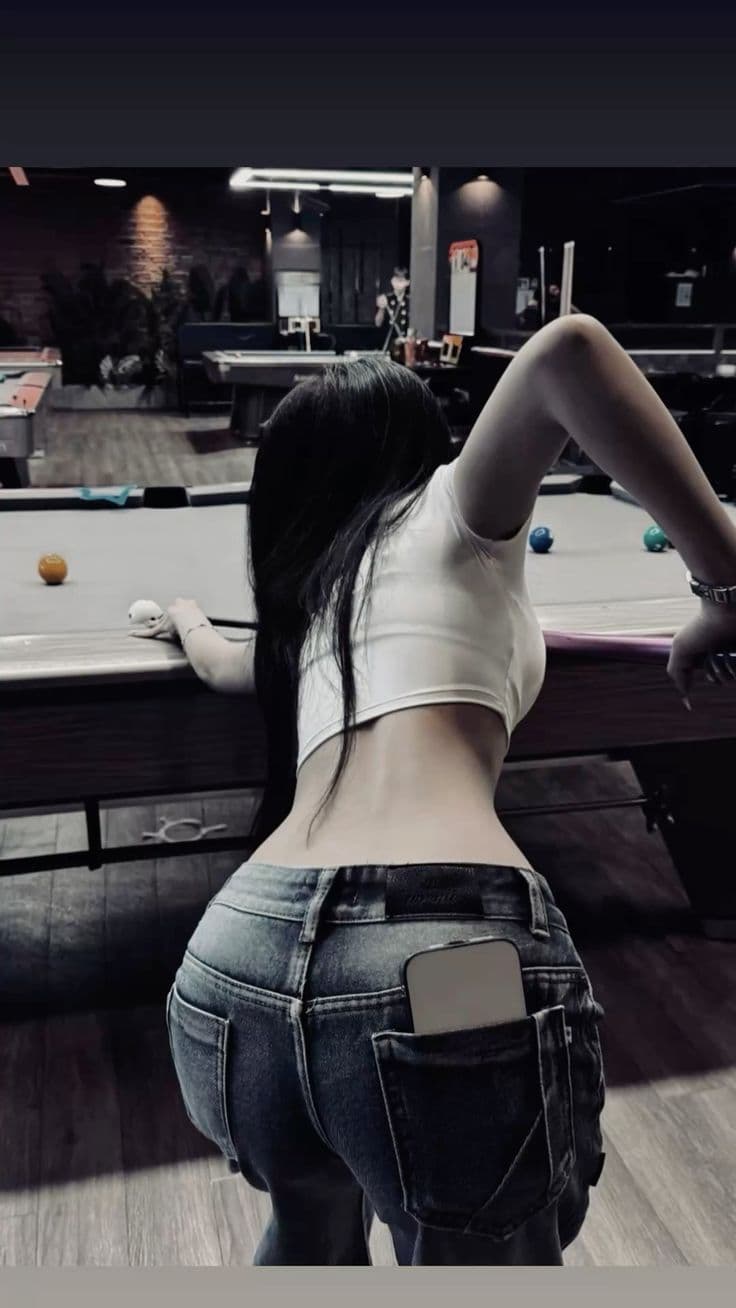
- Practice your bridge. That hand you rest the cue on? It needs to be rock solid. A wobbly bridge means a wobbly shot. Practice the open bridge and the closed bridge until they feel natural.
The Bottom Line
Billiards isn't just a game -- it's a lifestyle. It's late nights at the hall, it's that satisfying crack of a perfect break, it's the quiet confidence of clearing the table while your opponent watches in disbelief. It's a game where a 60-year-old tito can absolutely demolish a cocky 20-year-old, and where every single shot teaches you something new.
You don't need expensive gear to start. You don't need talent. You just need a table, a cue, and the willingness to miss about a thousand shots before everything clicks.
And when it clicks? There's nothing like it.
Now rack 'em up and break. Your next game is waiting.