Why Kayaking Is the Best Therapy You Never Knew You Needed
From hidden coves to mangrove tunnels, kayaking is the ultimate reset button. Here is everything you need to know to get on the water and actually enjoy it.
Why Kayaking Is the Best Therapy You Never Knew You Needed (And How to Actually Enjoy It)
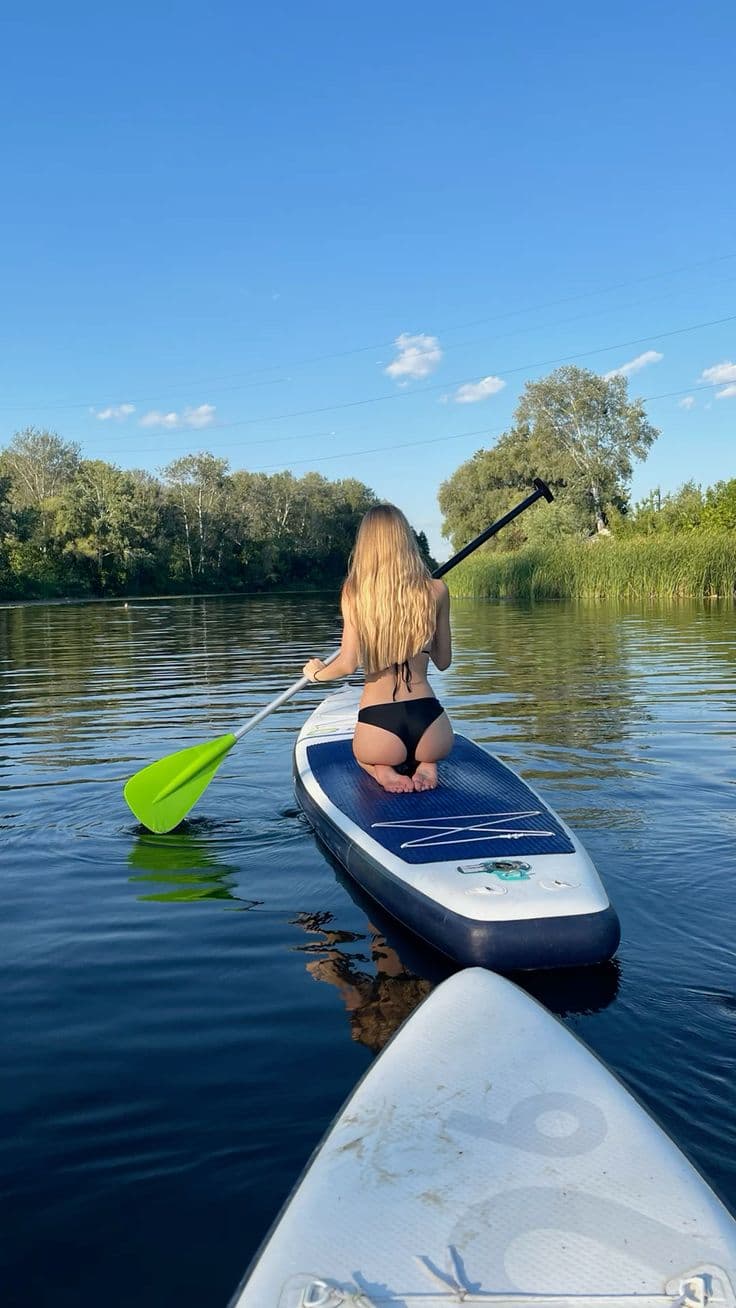
There's something almost unfairly peaceful about sitting in a kayak. The water underneath you is doing all the heavy lifting. The world goes quiet. Your phone has no signal. And for once in your life, the only notification you're getting is a fish splashing three feet away.
Kayaking is one of those activities that sounds intimidating until you actually try it -- and then you wonder why you didn't start sooner. Whether you're gliding through mangroves in Palawan, exploring a hidden lake somewhere in the Visayas, or just paddling around a resort lagoon on vacation, kayaking hits different.
Why Kayaking Is So Addictive
It's Exercise That Doesn't Feel Like Exercise
Let's be honest -- nobody wants to do cardio. Running is boring, the gym is repetitive, and cycling in Metro Manila traffic is a death wish. But kayaking? You're burning 400-500 calories per hour and you barely notice because you're too busy staring at how clear the water is.
Your arms, core, back, and shoulders are all working together with every paddle stroke. It's basically a full upper body workout disguised as a chill afternoon activity. You'll feel it the next day -- that good kind of sore that makes you feel like you actually did something with your weekend.
The Views Are Unreal
No Instagram filter can compete with what you see from a kayak. You're at water level, which means you get a perspective that people on shore literally cannot see. Hidden coves, rock formations, underwater coral visible through clear water, mangrove tunnels -- all yours.

The Philippines alone has thousands of kayaking spots that most people drive right past. Rivers, lakes, coastlines, even flooded rice paddies during rainy season (seriously, people kayak through those). Every paddle stroke takes you somewhere new.
It's the Ultimate Reset Button
There's actual science behind this. Being on water reduces cortisol levels. The rhythmic motion of paddling is meditative. The combination of nature, movement, and silence does something to your brain that scrolling through social media for three hours simply cannot replicate.
"Twenty minutes on the water does more for my mental health than a week of trying to meditate in my apartment." - Literally every kayaker ever
How to Actually Enjoy Kayaking (Not Just Survive It)
A lot of first-timers have a rough experience because they jumped in without knowing the basics. Here's how to make sure your first (and every) kayaking trip is actually fun.
Pick the Right Kayak
Not all kayaks are created equal, and picking the wrong one is a fast track to a frustrating day.
- Sit-on-top kayaks are what you want as a beginner. They're stable, easy to get in and out of, and if you flip (you probably won't), you just climb back on. These are what most resorts and rental places in the Philippines offer.
- Sit-inside kayaks are faster and more efficient but feel more claustrophobic. Better for experienced paddlers or longer trips.
- Inflatable kayaks are surprisingly legit these days. Brands like Intex Explorer and Aqua Marina make affordable ones that pack down into a backpack. Perfect if you don't have roof racks or storage space.
- Tandem kayaks (two-seater) are great for couples or bringing a friend. Fair warning: they're also called "divorce boats" because coordinating paddle strokes with another person tests relationships.
Master the Basic Paddle Stroke
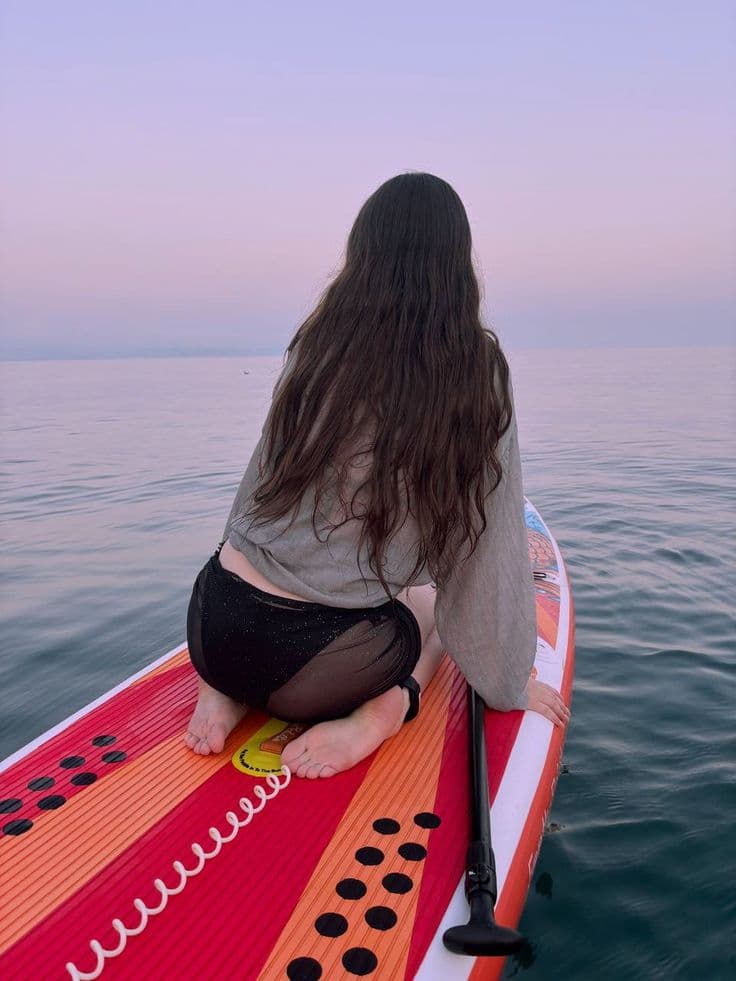
Most beginners paddle wrong and end up zigzagging all over the place wondering why their arms are dying. Here's the proper technique:
- Sit up straight. Slouching kills your power and your back. Good posture = efficient paddling.
- Hold the paddle correctly. Knuckles up, hands shoulder-width apart on the shaft. The curved part of the blade should face you.
- Rotate your torso, not just your arms. This is the biggest mistake beginners make. Power comes from your core rotation, not your biceps. Think of it like a gentle twist -- plant the blade near your feet, pull through the water, and lift out at your hip.
- Paddle on alternating sides. Left, right, left, right. Even strokes keep you going straight. If you only paddle on one side, you'll just spin in circles (which is funny for about 10 seconds).
- Relax your grip. Death-gripping the paddle wastes energy and gives you blisters. Light, relaxed hands.
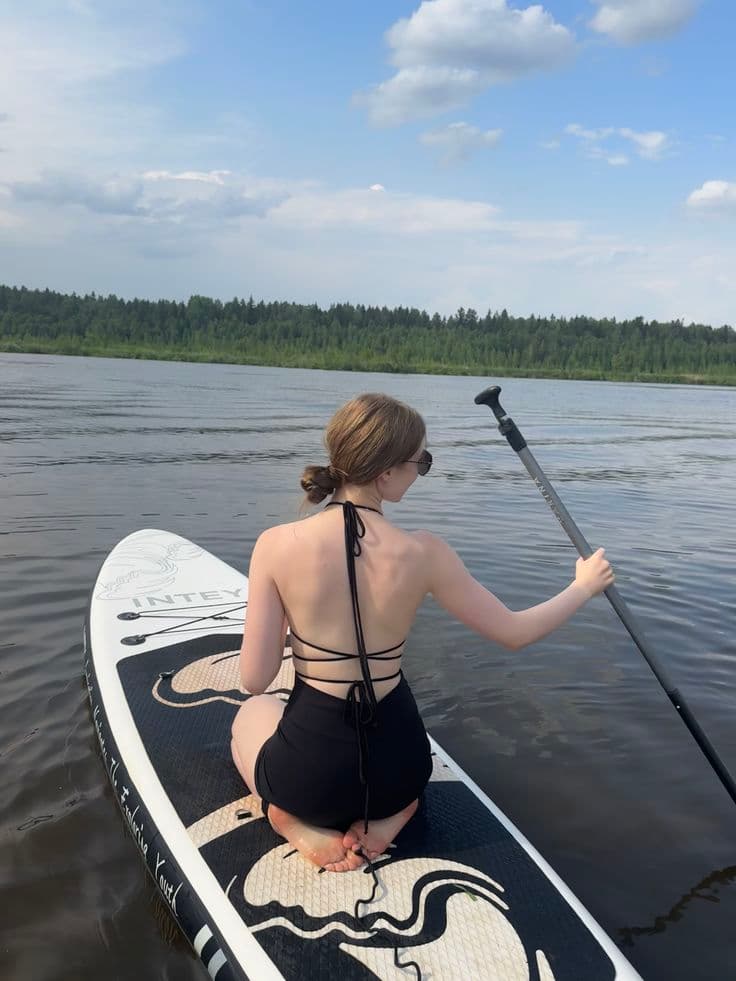
Dress for the Water, Not the Weather
This one catches people off guard. It might be 35 degrees outside, but if you fall into cold water, hypothermia doesn't care about the air temperature.
For tropical kayaking (which is most kayaking in the Philippines), keep it simple:
- Rashguard or quick-dry shirt -- cotton gets heavy and stays wet forever
- Board shorts or quick-dry pants -- avoid denim like the plague
- Water shoes or sport sandals -- you'll be stepping on rocks, coral, and mystery objects
- Hat and sunglasses (with a strap!) -- the sun reflects off water and doubles the UV exposure
- Sunscreen, sunscreen, sunscreen -- reapply every 2 hours, SPF 50+, waterproof formula
Safety Basics That Could Save Your Life
Kayaking is extremely safe when you respect the water. It becomes dangerous when you don't.
- Always wear a life jacket (PFD). Non-negotiable. Even if you're an Olympic swimmer. Even if the water is shallow. Even if it looks dorky. Wear it.
- Check the weather before you go. Wind is a kayaker's enemy. Anything above 15 km/h makes paddling miserable. Thunderstorms on open water are genuinely life-threatening.
- Tell someone where you're going and when you'll be back. If something goes wrong, someone needs to know where to look.
- Stay close to shore if you're a beginner. Open water looks inviting until the current catches you and you're suddenly 500 meters from land with tired arms.
- Bring water and snacks. Dehydration sneaks up on you fast when you're exercising in the sun. Pack more water than you think you need.
The Best Kayaking Spots You Should Try
For Beginners
- Resort lagoons and calm bays -- controlled environment, usually with rental kayaks and guides
- Rivers with slow current -- scenic and forgiving
- Lake kayaking -- no waves, no current, just pure calm
For Intermediate Paddlers
- Coastal kayaking -- explore shorelines, sea caves, and small islands
- Mangrove forests -- tunnel-like waterways that feel like a different planet
- Island hopping -- paddle between nearby islands at your own pace
For the Adventurous
- Whitewater kayaking -- rapids, rocks, and adrenaline
- Night kayaking -- bioluminescent plankton glowing under your paddle? Yes, it's real, and it's insane
- Multi-day kayak camping -- pack your gear, paddle to a remote beach, camp under the stars
Gear Checklist for Your First Trip
You don't need much to get started. Here's the essentials:
- Kayak (rent one first before buying)
- Paddle (usually comes with rental)
- Life jacket / PFD (always, no exceptions)
- Dry bag -- keeps your phone, wallet, and snacks safe from water
- Water bottle -- at least 1.5 liters
- Sunscreen -- SPF 50+, reef-safe if you're in the ocean
- Whistle -- attached to your PFD, for emergencies
- Waterproof phone case -- for photos (and peace of mind)
The Bottom Line
Kayaking is one of those rare activities that works for literally everyone. Solo introvert who wants silence? Kayak. Couple looking for a date that isn't dinner and a movie? Tandem kayak. Friend group that needs something besides drinking? Kayak crawl.
It's cheap (rentals are usually P300-500/hour), it's everywhere in the Philippines, it requires zero experience to start, and it gives you the kind of peace that meditation apps charge you monthly for.
The water is right there. Go paddle in it.
Your next adventure is one paddle stroke away.